12 hr
3-in-1 Dominican Adventure: Haitises, Waterfall & Mountain
- Expert local guide
- Small group
- Skip-the-line access
- Free cancellation
Los Haitises National Park — Boat Tours & Cave Expeditions from Punta Cana
Mangrove labyrinths and Taíno petroglyphs, carved into limestone over centuries
Compare fares, pick the fit — all bookings are mobile-voucher and eligible for free cancellation where shown.
12 hr
9 hr
9 hr
| Experience | Duration | Rating | Transfers | Pickup | Skip-the-line | Guide | Price | |
|---|---|---|---|---|---|---|---|---|
|
Guided Experience
Most popular
3-in-1 Dominican Adventure: Haitises, Waterfall & Mountain
|
12 hr | ★ 4.6 | ✓ | ✓ | ✓ | ✓ | $149 | Book → |
|
Guided Experience
Los Haitises National Park Full-Day Adventure from Punta Cana
|
9 hr | ★ 4.5 | ✓ | ✓ | ✓ | ✓ | $130 | Book → |
|
Guided Experience
Los Haitises National Park, Montaña Redonda & Caño Hondo Day Tour
|
9 hr | ★ 4.8 | ✓ | ✓ | ✓ | ✓ | €111 | Book → |
Worth it for nature lovers seeking biodiversity
A los haitises national park tour from punta cana delivers access to one of the Caribbean's most biodiverse coastal ecosystems—mangrove channels, limestone karst formations, and Taíno cave art—but the trade-off is real. The 2.5-hour drive each way from Punta Cana resorts means you'll spend five hours in transit for roughly three hours exploring the park's mangrove forests and ancient petroglyphs. If your priority is encountering frigate birds, brown pelicans, and untouched subtropical wetlands rather than beach time, the journey pays dividends. Day-trippers seeking convenience should weigh whether the ecological richness justifies leaving the resort corridor. Families with young children may find the long boat rides and humid cave walks challenging. For travelers who value pristine ecosystems, rare seabirds, and pre-Columbian history over proximity, this excursion from Punta Cana tours the kind of landscape you won't find on groomed resort beaches.
Bottom line: The los haitises national park tour from punta cana is worth the travel time if you prioritize ecological diversity and cultural history over convenience.
Hand-picked experiences loved by thousands of travelers
1 day
Free Cancellation
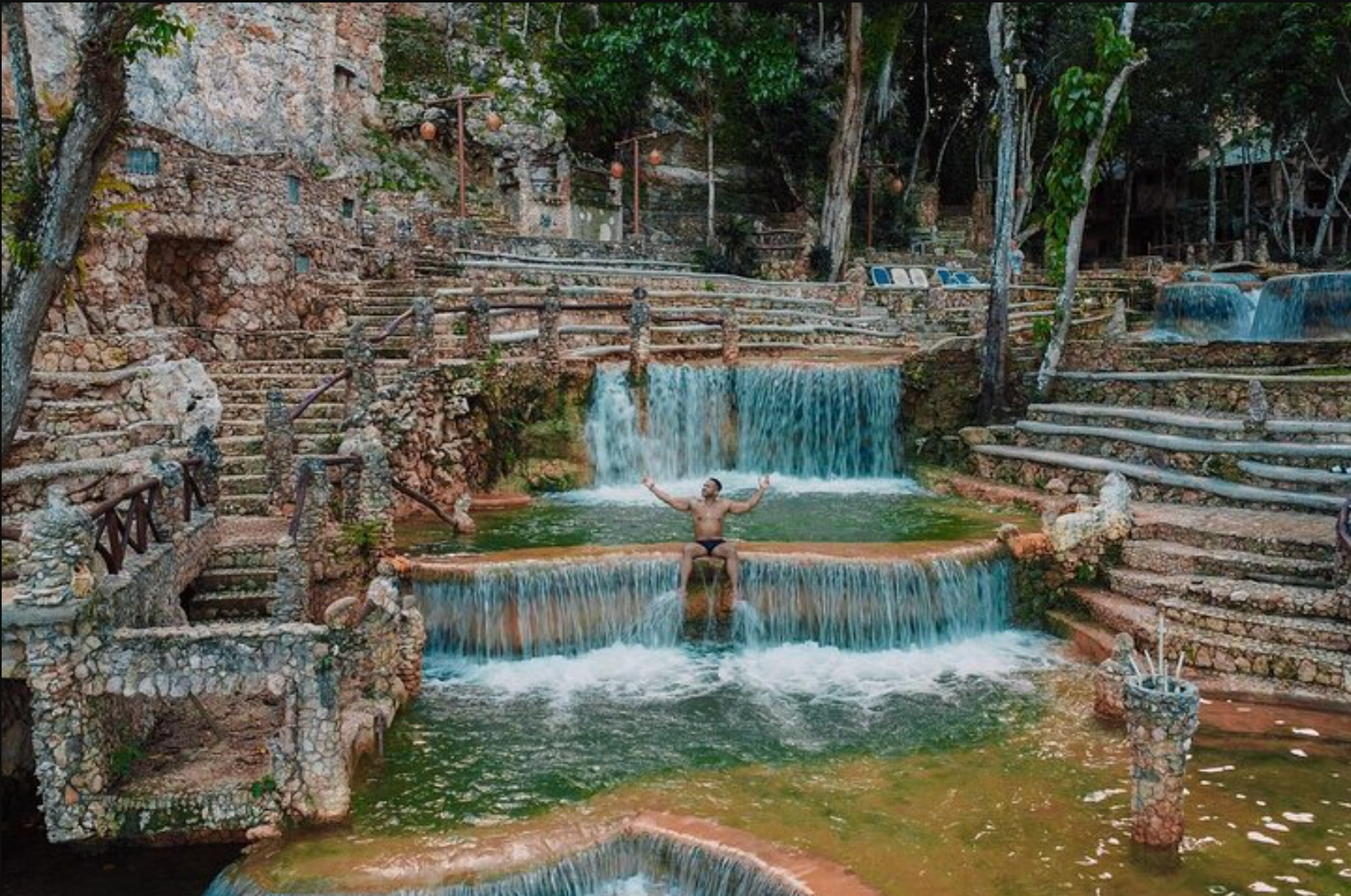
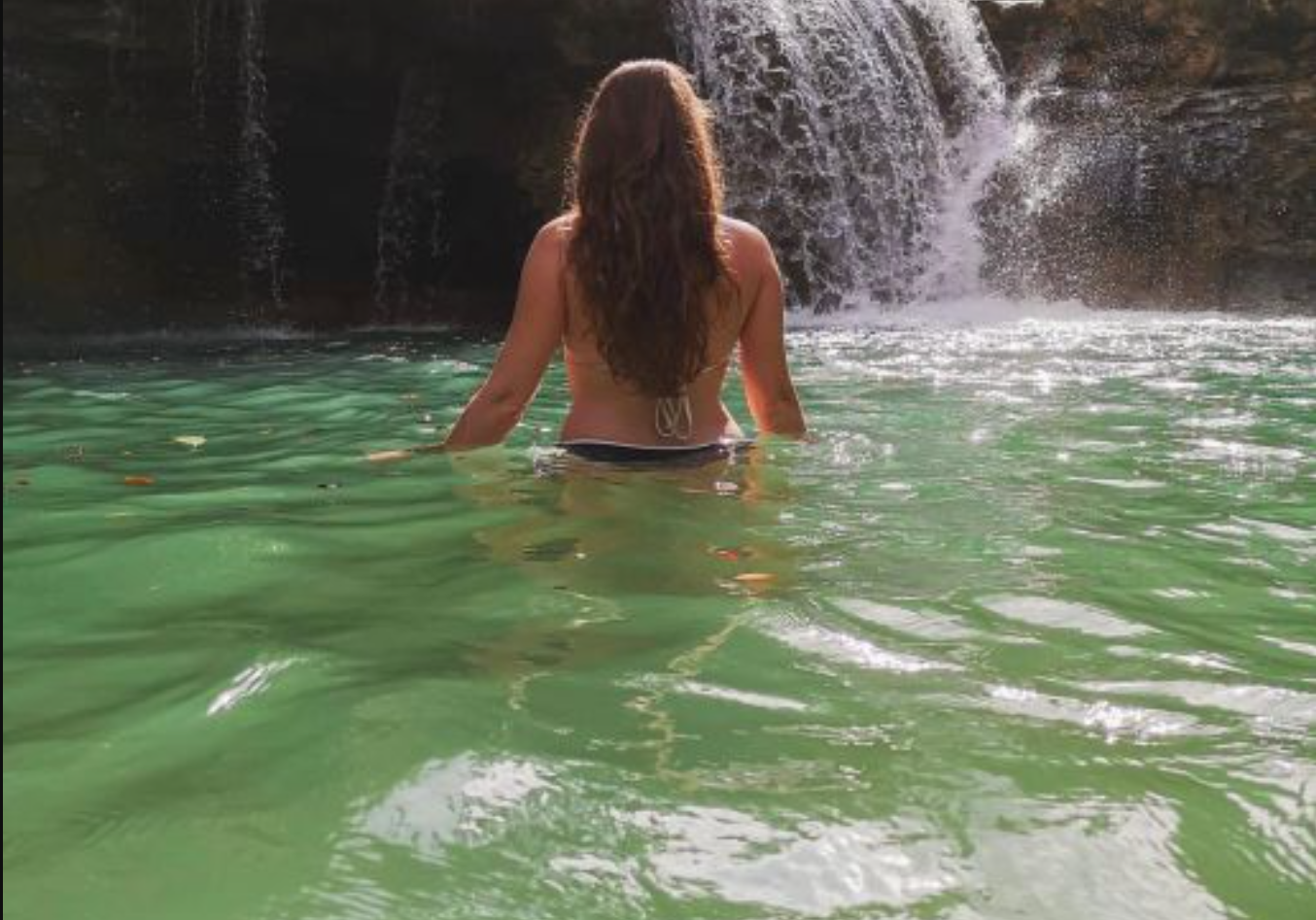
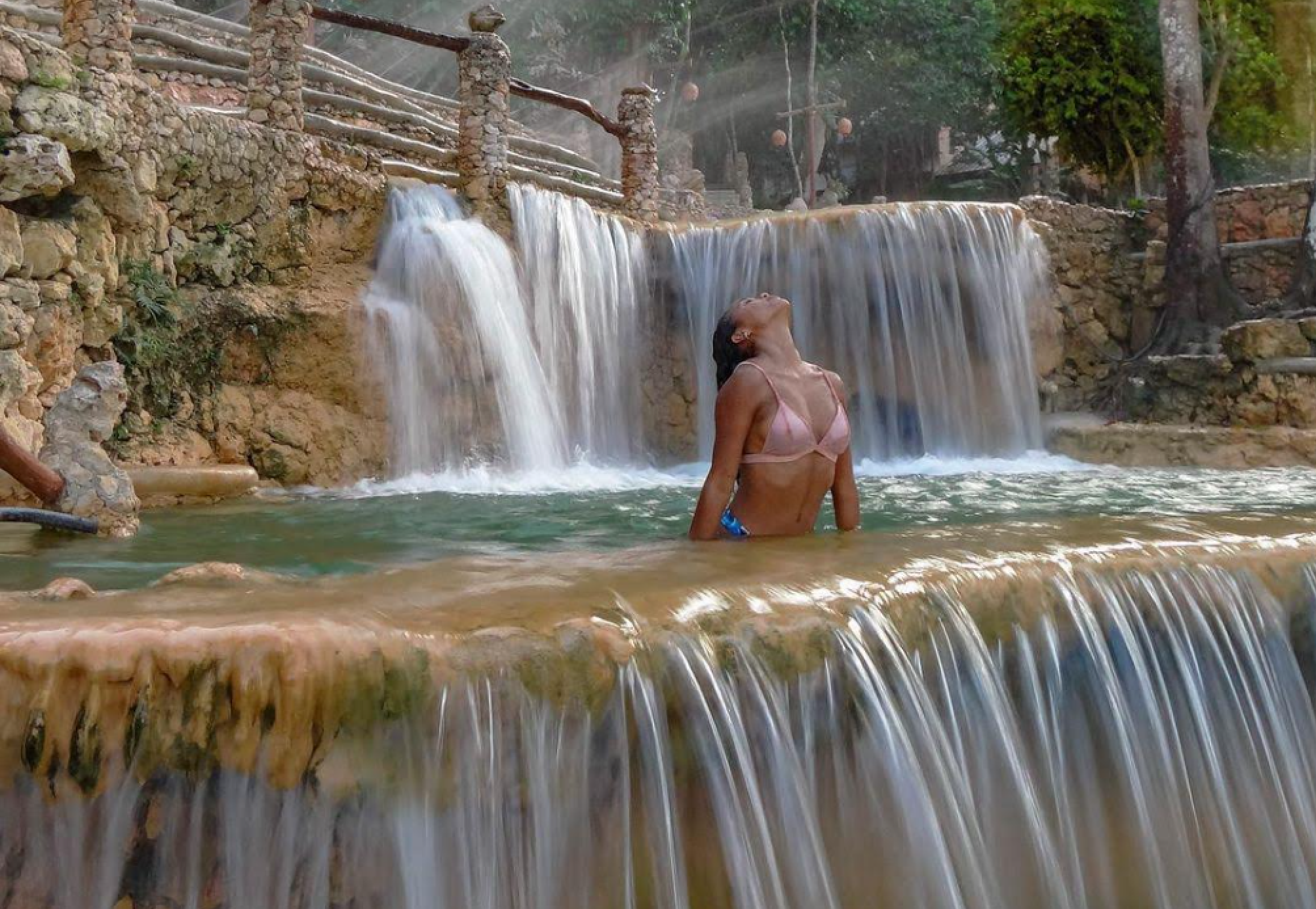
Journey through mangrove forests, explore ancient caves, and swim in cascading natural pools
7 hours to 1 day
Free Cancellation
Paddle mangrove channels, trek humid forests, and visit a mountaintop viewpoint on this full-day eco-tour
7 to 9 hours
Free Cancellation
Full-day adventure combining mangrove boat tours, ancient cave exploration, and mountain summit views
12 hours
Free Cancellation
Journey through national park mangroves, swing from a mountaintop, and unwind on a Caribbean island
9 hours
Free Cancellation
Explore mangrove forests, ancient Taíno caves, pristine natural pools, and sweeping mountain vistas on this epic day trip from Punta Cana
12 hours
Free Cancellation
Full-day adventure through mangrove channels, limestone caves, freshwater pools, and pristine coastline
1 day
Free Cancellation
Journey through rainforest trails and mangrove waterways in one of the Dominican Republic's most pristine parks
9 hours
Free Cancellation
Full-day excursion combining mangrove exploration, countryside horseback trail, scenic mountain viewpoint, and local lunch
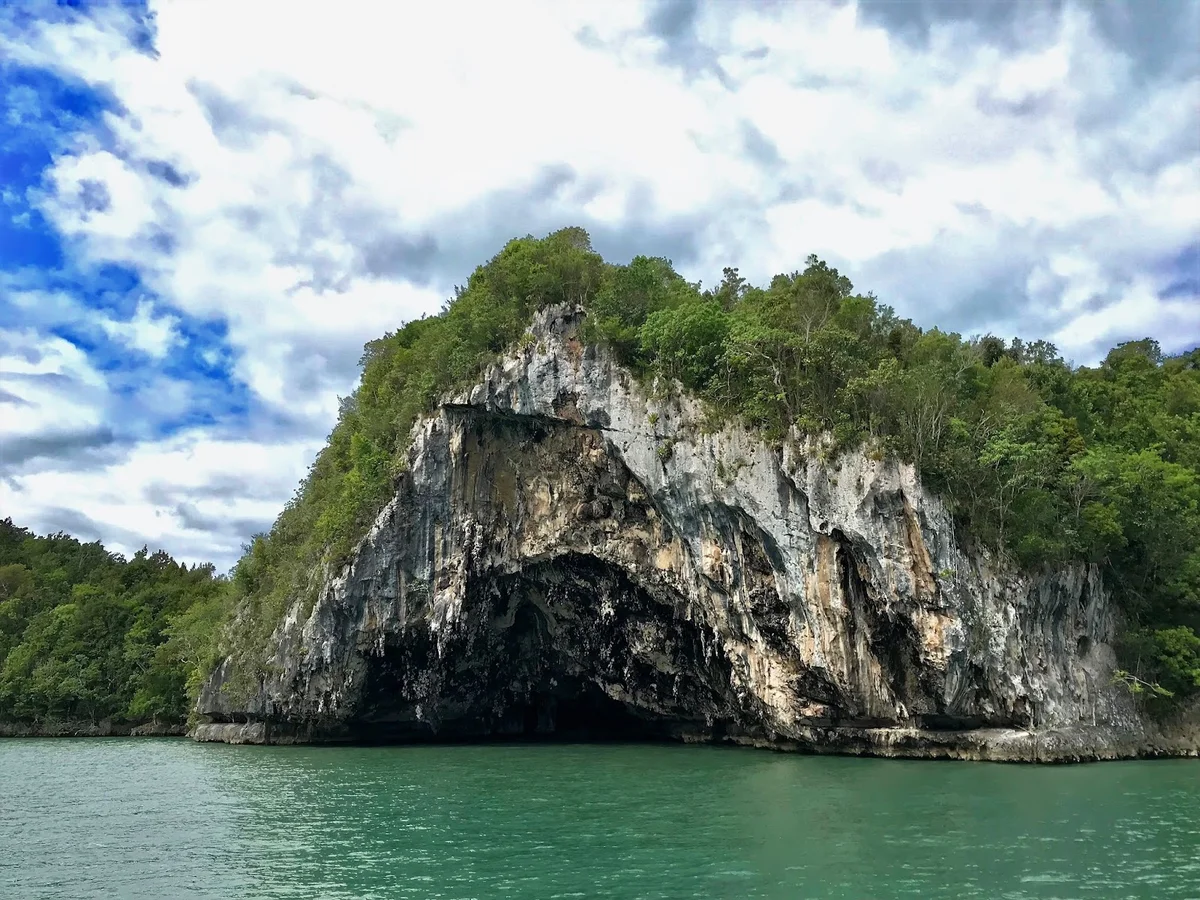
A coastal cave featuring historic Taino carvings and bats in their natural habitat, easily accessible by boat.
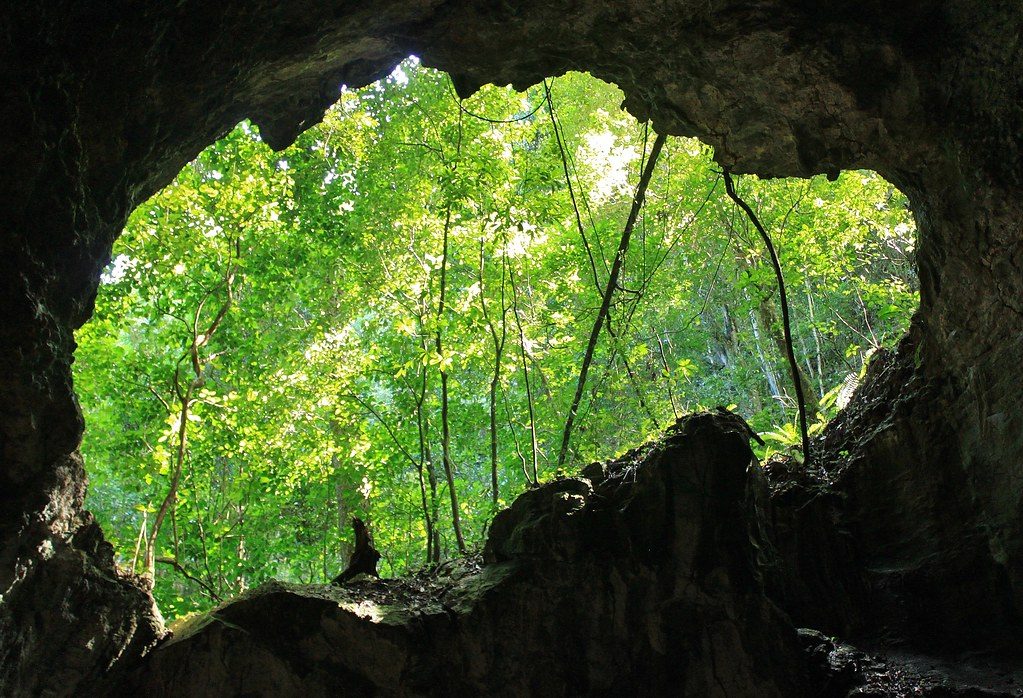
Also known as the Railroad Cave, this site features a natural skylight and significant petroglyphs near an old rice railway.
Known for the dense concentration of ancient rock art and a stalagmite formation resembling an archangel.
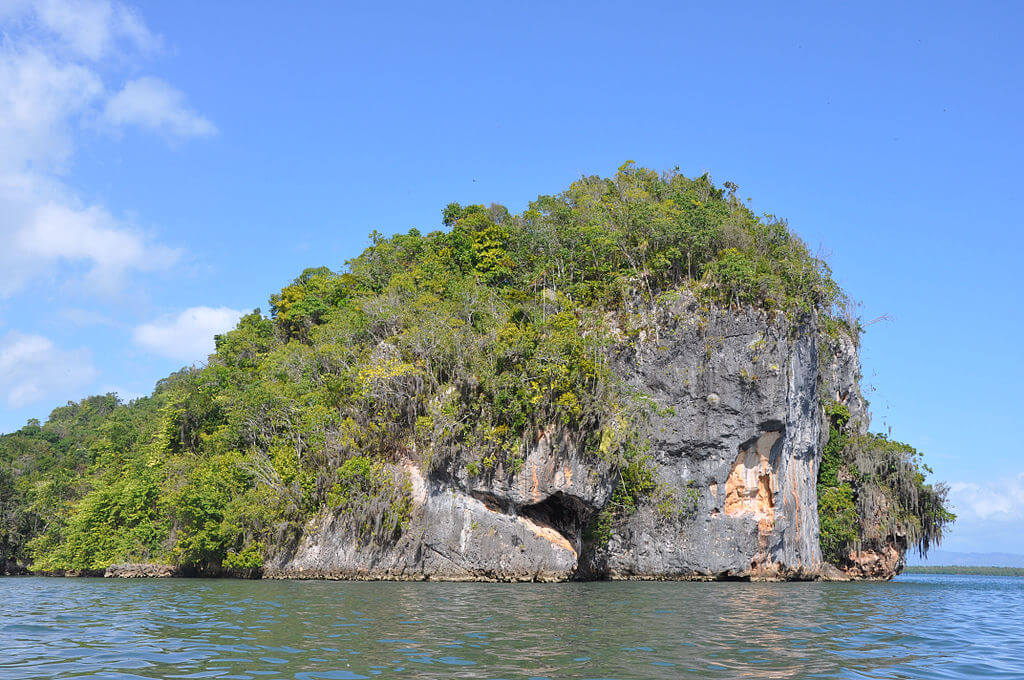
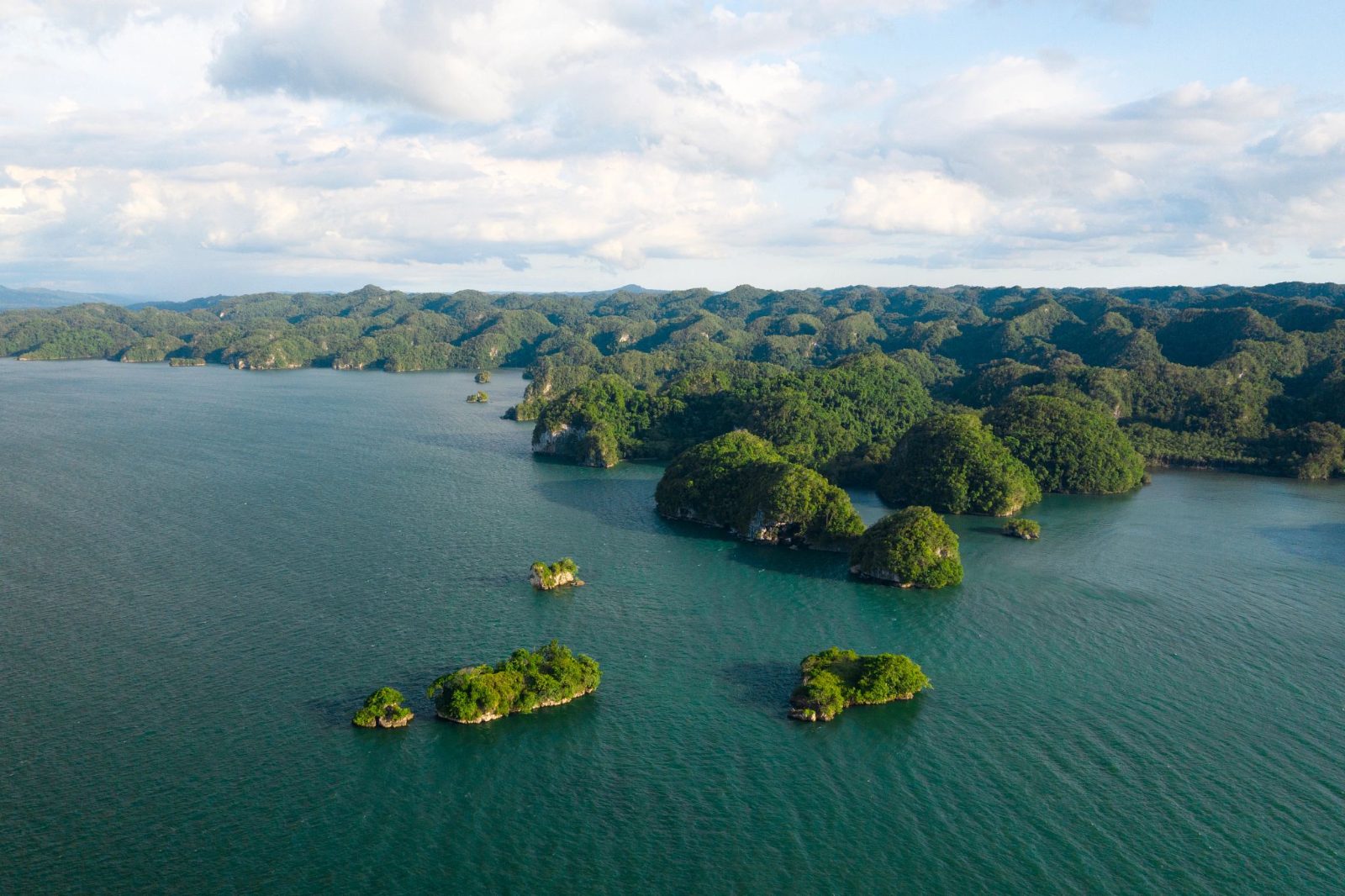
A serene body of water providing wide-angle views of the iconic limestone mogotes rising from the mangroves.
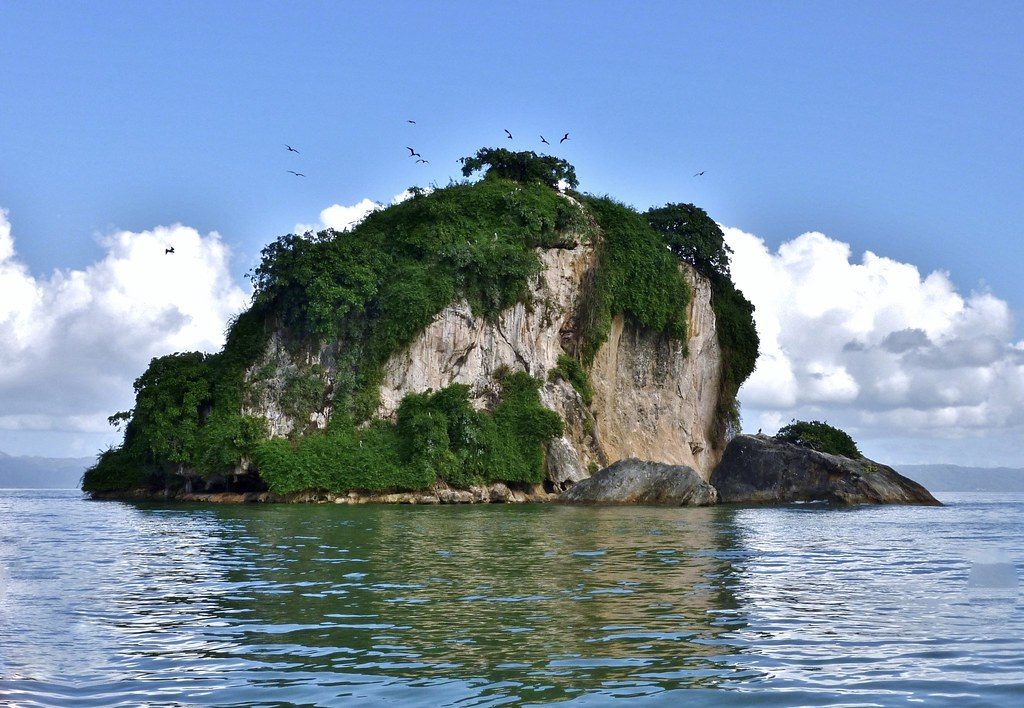
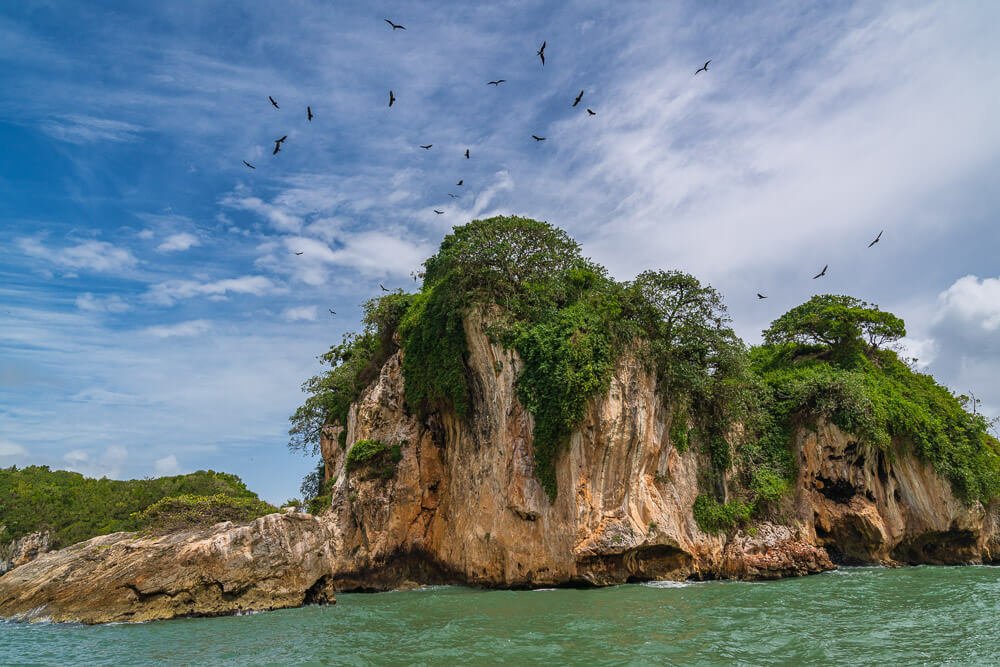
A small islet famous for being a sanctuary for brown pelicans and frigate birds.
You depart Punta Cana before dawn, crossing the Cordillera Oriental on Highway 104 as the sky lightens over sugarcane fields and cattle pastures. At Sabana de la Mar, you transfer to a 24-foot fibreglass launch equipped with a canopy and life vests.
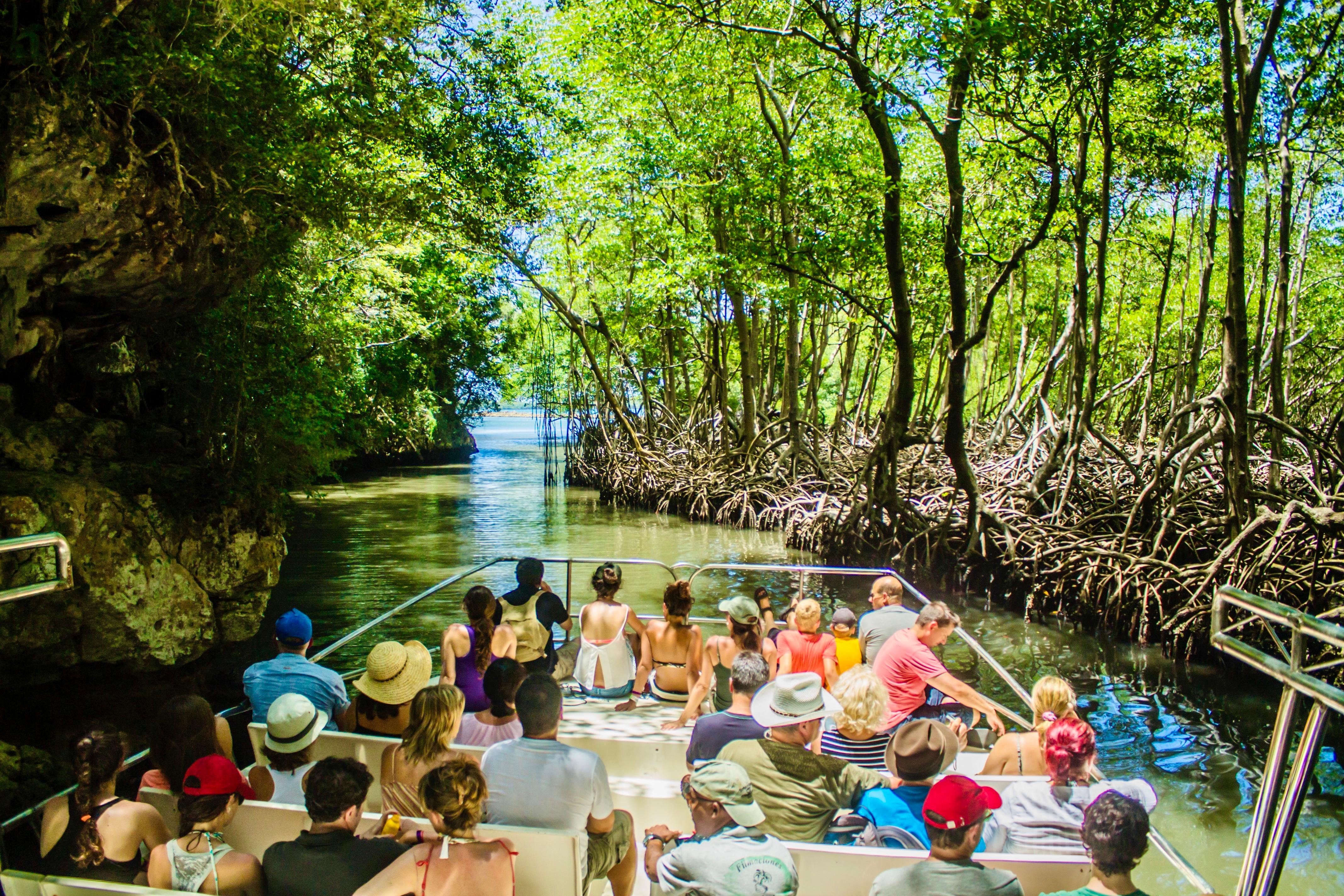
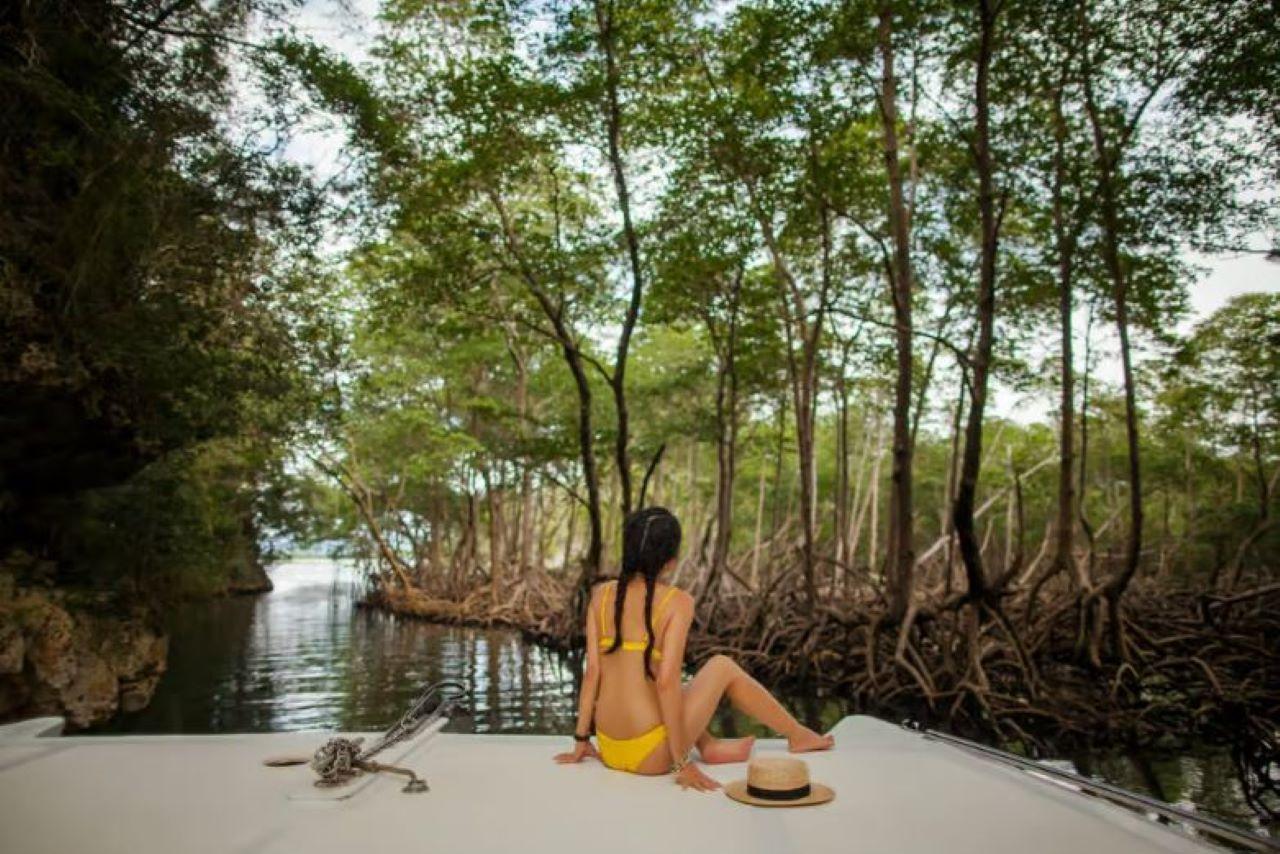
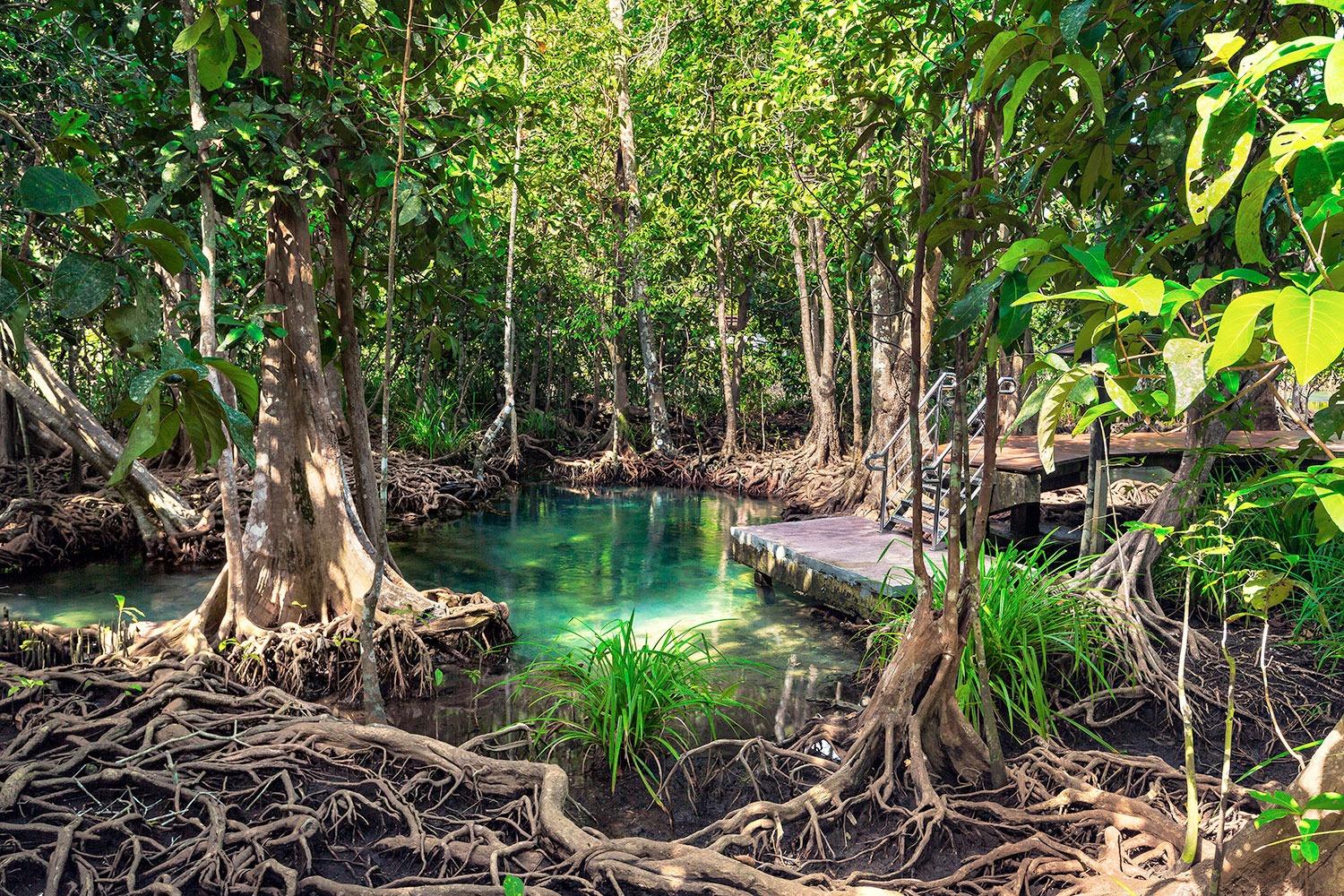
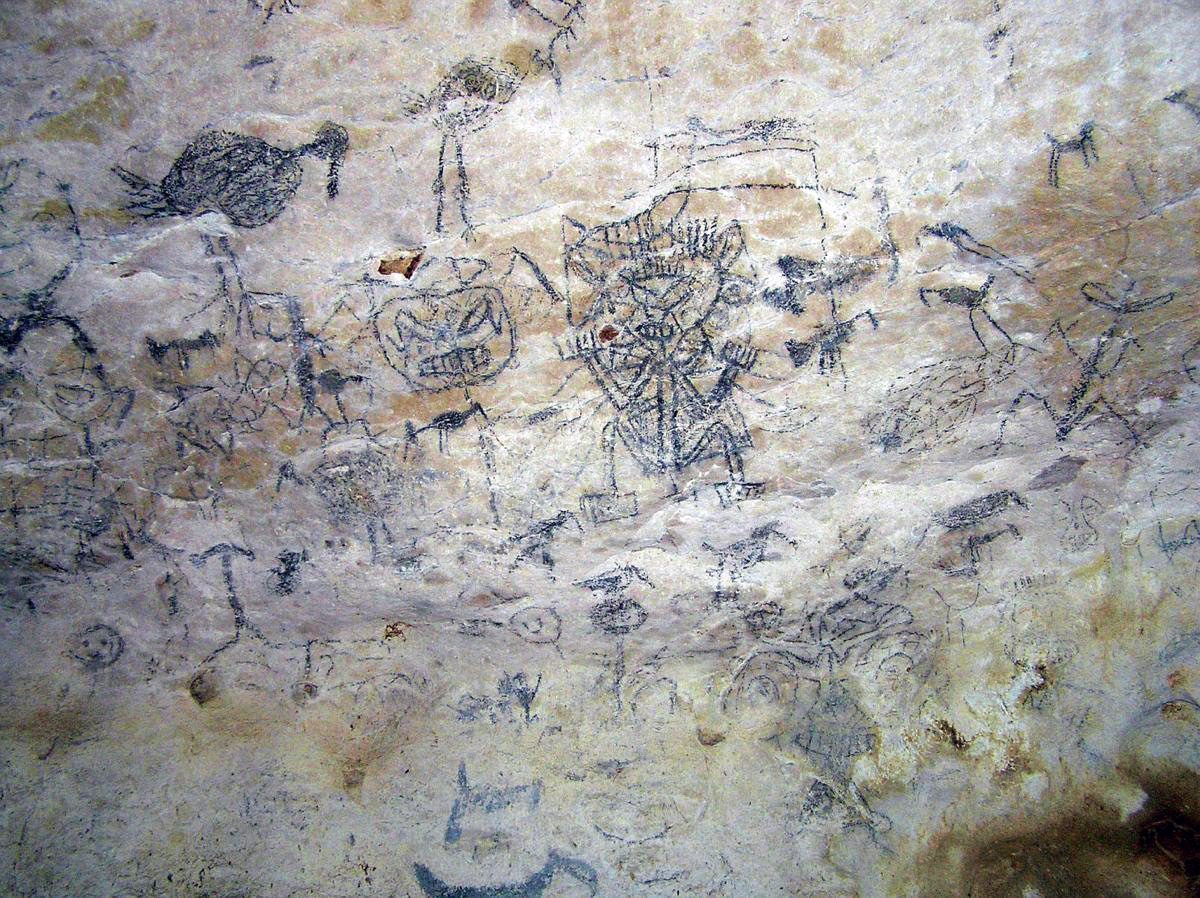
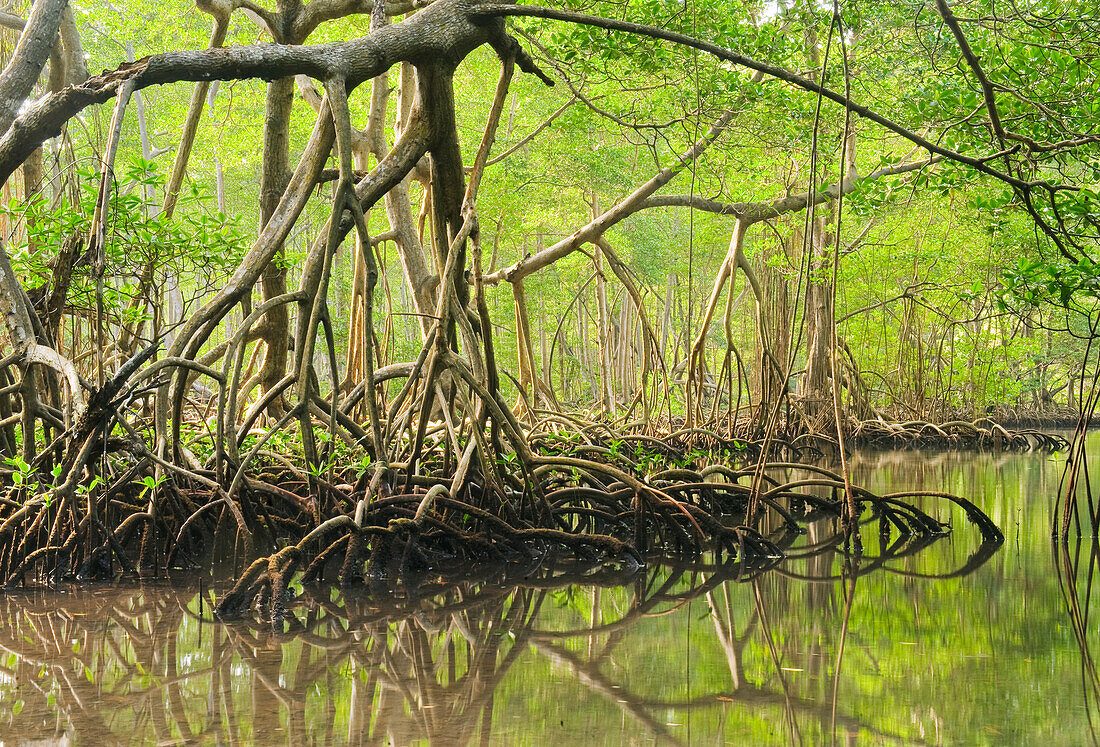
The boat glides into the mangrove estuary, where root systems arch over tea-coloured water and herons stand motionless on exposed mudflats. Your guide cuts the engine near Cueva de la Arena, and you step onto a limestone ledge slick with algae. Inside, your headlamp beam picks out red handprints and spiral motifs rendered on the cave ceiling, the charcoal lines still crisp after 600 years.
Back on the water, the channel narrows between mogotes draped in strangler figs and bromeliads. Frigatebirds wheel overhead, their scissor-tails silhouetted against cumulus clouds. At Cayo de los Pájaros, brown pelicans cluster on mangrove branches, their gular pouches distended. The boat drifts under overhanging foliage, and you hear the rustle of land crabs in the leaf litter. A final stop at Cueva de la Línea reveals a gallery of zoomorphic figures: a turtle, a bat, and a face with exaggerated eyes, all outlined in ochre pigment. You return to the dock by mid-afternoon, salt spray drying on your forearms, the scent of decomposing vegetation still clinging to your clothes.
All the details about your upcoming adventure in one place
This los haitises national park tour from punta cana takes you through one of the Dominican Republic's most pristine ecosystems, where mangrove channels wind past limestone karst formations and ancient Taíno cave paintings. The full-day excursion includes boat navigation through Samaná Bay's protected waterways, guided exploration of Cueva de la Arena and Cueva de la Línea, and wildlife spotting in coastal wetlands. Los haitises national park tour from punta cana tickets cover transport, lunch, and park entry, with departures accommodating visitors from Bávaro and Cap Cana.
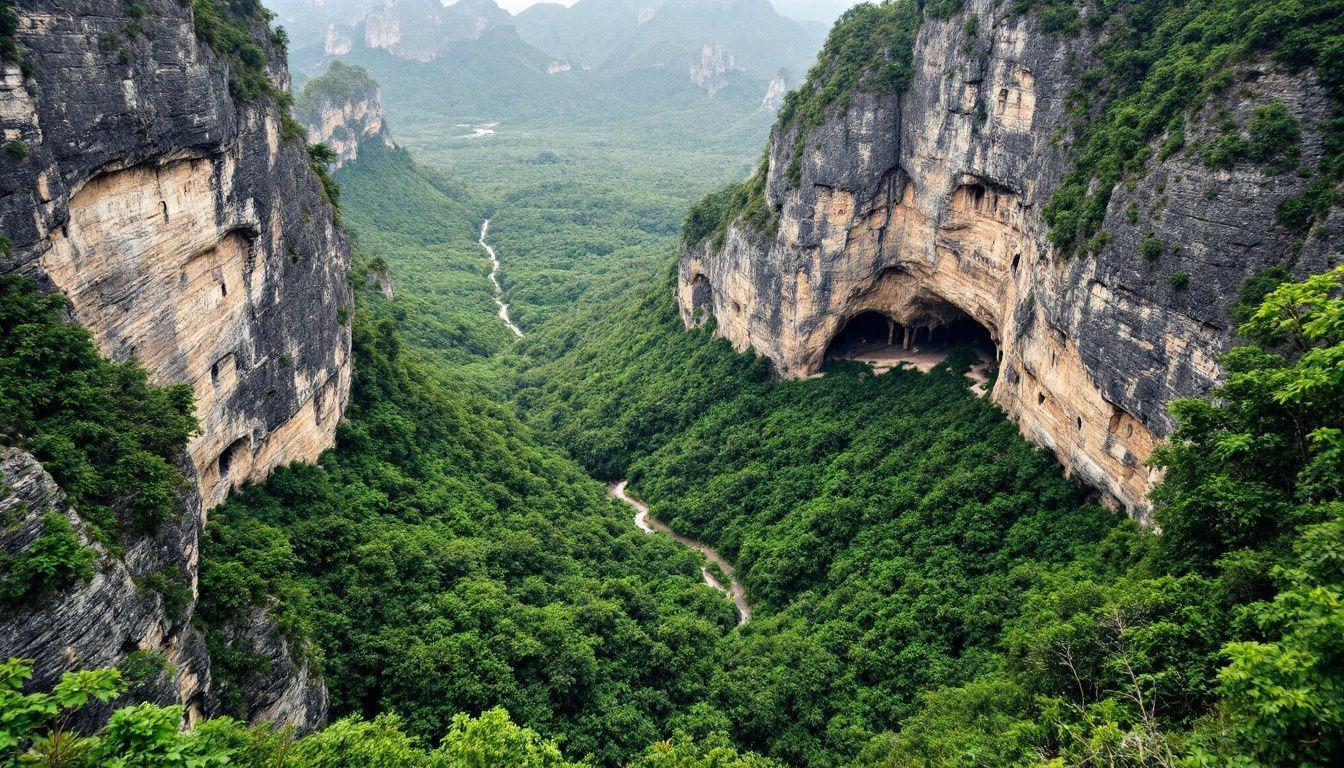
Los Haitises National Park protects 208 square kilometres of coastal karst terrain along the southern shore of Samaná Bay, a landscape shaped by 50 million years of tectonic uplift and dissolution.
The park's name derives from the Taíno word for highlands or mountains, a reference to the mogotes — cone-shaped limestone hills draped in tropical forest — that rise abruptly from mangrove channels and shallow lagoons. These formations, riddled with caverns and sinkholes, preserve one of the Caribbean's most significant collections of pre-Columbian rock art: more than 1,200 documented petroglyphs and pictographs created by the Taíno people between the 12th and 15th centuries.
Established as a national monument in 1968 and elevated to national park status in 1976, Los Haitises safeguards critical wetland ecosystems that sustain endangered West Indian manatees, brown pelicans, and the rhinoceros iguana. The park's mangrove forests — comprising red, black, white, and buttonwood species — function as nurseries for juvenile fish and crustaceans, underpinning the livelihoods of coastal fishing communities in Sabana de la Mar and Sánchez. Ornithologists have recorded 112 bird species within park boundaries, including the Hispaniolan woodpecker, the palmchat, and the critically endangered ridgway's hawk, which nests exclusively in Hispaniola's remaining broadleaf forests.
Access to Los Haitises is restricted to guided boat tours departing from authorised embarkation points. The Dominican Ministry of Environment enforces a daily visitor cap to limit pressure on fragile cave surfaces and nesting colonies. Most excursions navigate the Caño Hondo and San Lorenzo channels, pausing at Cueva de la Arena and Cueva de la Línea to view Taíno pictographs rendered in charcoal, bat guano, and ochre. Interpretive signage installed in 2019 provides context on iconography: spirals representing hurricanes, anthropomorphic figures denoting deities, and zoomorphic forms linked to the Taíno cosmovision. Los Haitises from Punta Cana itineraries typically include a stop at Cayo de los Pájaros, a small islet where frigatebirds and brown boobies roost in mangrove canopies. The park's relative isolation — two hours by road from major resort corridors — has preserved its ecological integrity, though infrastructure improvements along Highway 104 have reduced transit time for visitors departing from eastern coastal towns. Boat operators certified by the Ministry of Tourism adhere to no-wake speed limits within designated conservation zones, and anchor use is prohibited near seagrass beds frequented by manatees.

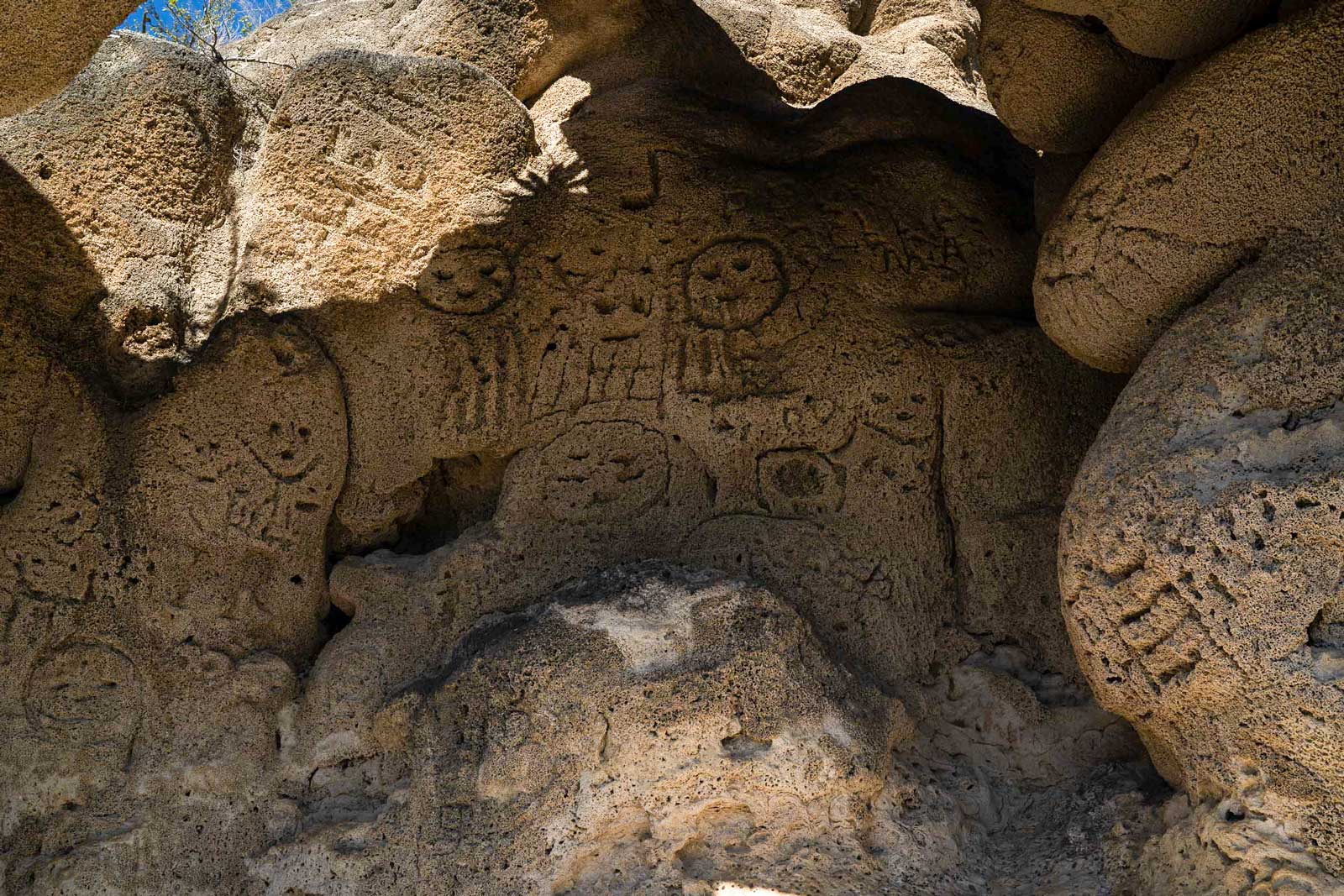
More than 1,200 Taíno petroglyphs and pictographs, created between the 12th and 15th centuries, remain visible on cavern walls throughout the park.
Wear light, breathable clothing and quick-dry fabrics suitable for high humidity. Sturdy, water-friendly sandals or water shoes are recommended for boarding boats and walking through cave interiors.
Keep all belongings in waterproof dry bags to protect them from boat spray and moisture. Security protocols require all visitors to remain with their authorized guide at all times during a Los Haitises National Park tour from punta cana.
Photography is permitted, but flash usage is strictly prohibited inside caves to preserve ancient Taino pictographs and petroglyphs. Use a waterproof camera or protective housing for equipment to avoid damage from salt air and water splashes.
The park is family-friendly, but younger children should be supervised closely near the water's edge and inside cave systems. Boat transit times can be long, so bring adequate entertainment and hydration for children.
Accessing the caves and trails requires walking on uneven, occasionally slick terrain. Visitors must be comfortable boarding small boats from floating docks, which may not be suitable for those with limited mobility.
Most organized day trips include a traditional Dominican buffet lunch and soft drinks. Carry a reusable water bottle to stay hydrated during your Los Haitises National Park tour from punta cana.
Opening Hours
09:00–17:00
Address
Sabana de la Mar, Hato Mayor, Dominican Republic
Accessibility
Boat tours require moderate physical mobility for boarding and cave exploration.
Best arrival window
09:00–11:00 — Early arrival ensures calmer waters for boat transit and avoids afternoon crowds and peak heat.
Storage
Limited facilities at the pier; use travel-sized bags for your Los Haitises National Park tour from punta cana.
Navigation
Authorized guides are required to navigate the park waterways.
Full refunds are typically available for cancellations made within a specified window, often 24 to 48 hours prior to departure. Please verify specific terms with your selected operator, as third-party providers manage all logistics for a Los Haitises National Park tour from punta cana.
Recommended time
Half a day
Planning your los haitises national park tour from punta cana requires factoring in a significant transit period to reach Sabana de la Mar, Hato Mayor. Because you must secure authorized guides and watercraft upon arrival, following the best arrival window of 09:00–11:00 is essential to ensure calmer waters for boat transit. Guests seeking los haitises national park tour from punta cana tours should anticipate that afternoon heat increases, making early exploration the most comfortable approach for viewing mangroves and limestone mogotes. Those interested in booking los haitises national park tour from punta cana tickets should remember that logistical coordination for maritime transport remains the primary driver of your schedule.
Crowd levels through the day
The limestone karst formations that define los haitises national park tour from punta cana were shaped over millions of years, but human history here begins with the Taíno people who inhabited Hispaniola long before European contact. Between 800 and 1492 CE, Taíno communities used the park's extensive cave systems as ceremonial centers and refuge sites. More than 200 caves bear their pictographs and petroglyphs—red and black pigment images depicting deities, hunting scenes, and cosmological beliefs. These rock art galleries, particularly in Cueva de la Arena and Cueva de la Línea, represent one of the Caribbean's most significant Indigenous art collections. Spanish colonization devastated Taíno populations, and the dense mangrove forests and rugged terrain of Los Haitises became a refuge for escaped enslaved people and later a haven for pirates exploiting its hidden coves. By the 19th century, logging and agricultural encroachment threatened the region's ecological integrity. In 1968, the Dominican government designated 208 square kilometers as a protected zone under Law 409, establishing Los Haitises as a national park. The designation recognized both the area's biodiversity—hosting over 110 bird species including the Ridgway's hawk and Hispaniolan woodpecker—and its archaeological significance. Expansion came in 1976 when the park boundaries grew to 1,600 square kilometers, encompassing mangrove estuaries, subtropical humid forest, and coastal wetlands. Scientific interest intensified in the 1980s as researchers documented endemic species and mapped Taíno sites. Conservation challenges persist: illegal logging, agricultural pressure, and unregulated tourism have required ongoing enforcement. Today, los haitises national park tour from punta cana tours operate under strict Ministry of Environment protocols, with mandatory licensed guides ensuring visitor impact remains minimal. The park stands as both a living museum of pre-Columbian Caribbean culture and a critical habitat for endangered species.
Taíno communities create extensive cave art and use Los Haitises as ceremonial and settlement sites.
Spanish colonization devastates Indigenous populations; forests become refuge for escaped enslaved people and pirate hideouts.
Dominican Republic enacts Law 409, officially designating Los Haitises as a national park covering 208 square kilometers.
Park boundaries expand to 1,600 square kilometers, incorporating mangrove estuaries and coastal wetlands.
Scientific expeditions document endemic species, map Taíno archaeological sites, and catalog biodiversity including over 110 bird species.
Stricter Ministry of Environment regulations require licensed guides and enforce conservation protocols to combat illegal logging and unregulated tourism.
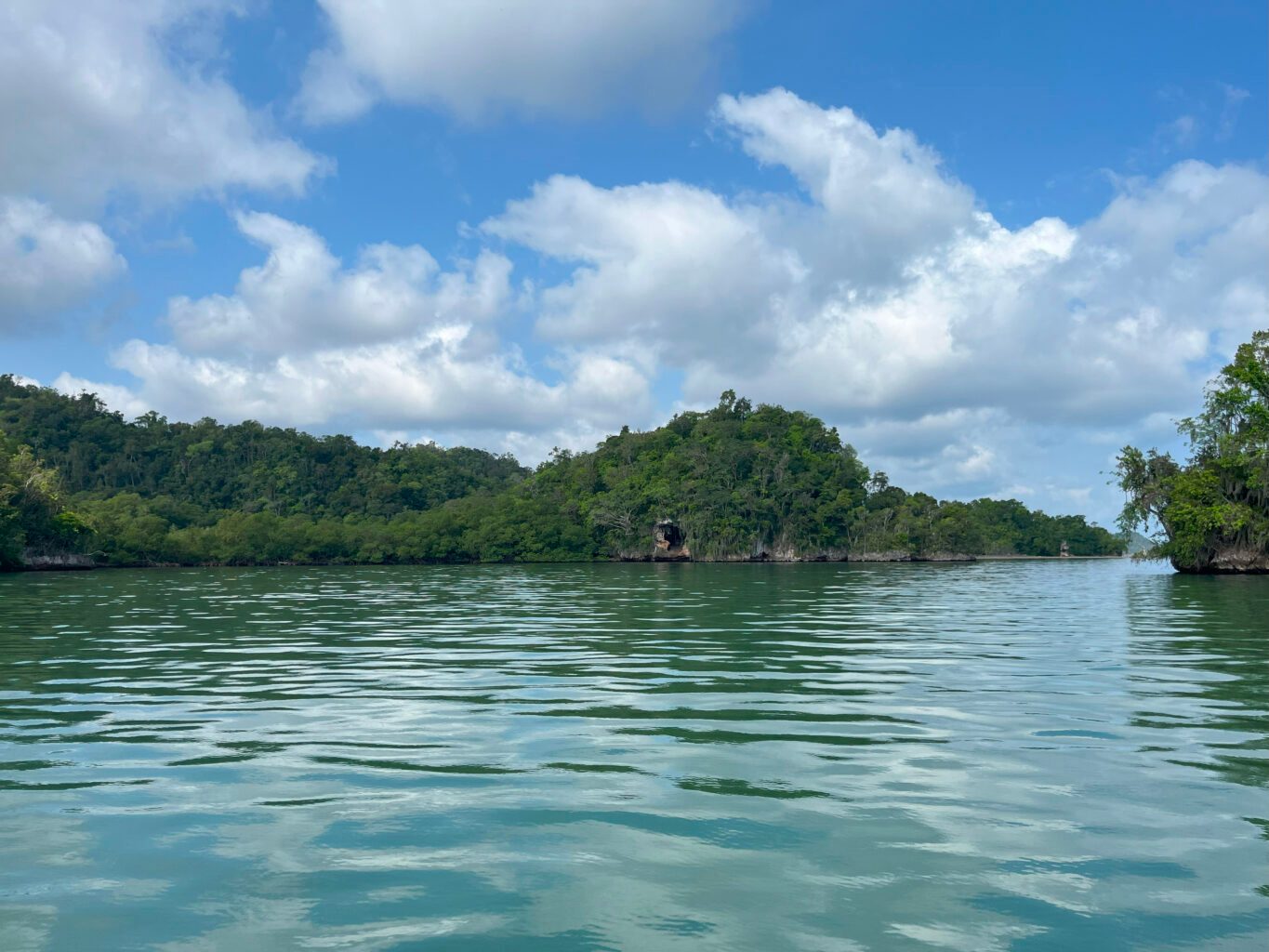
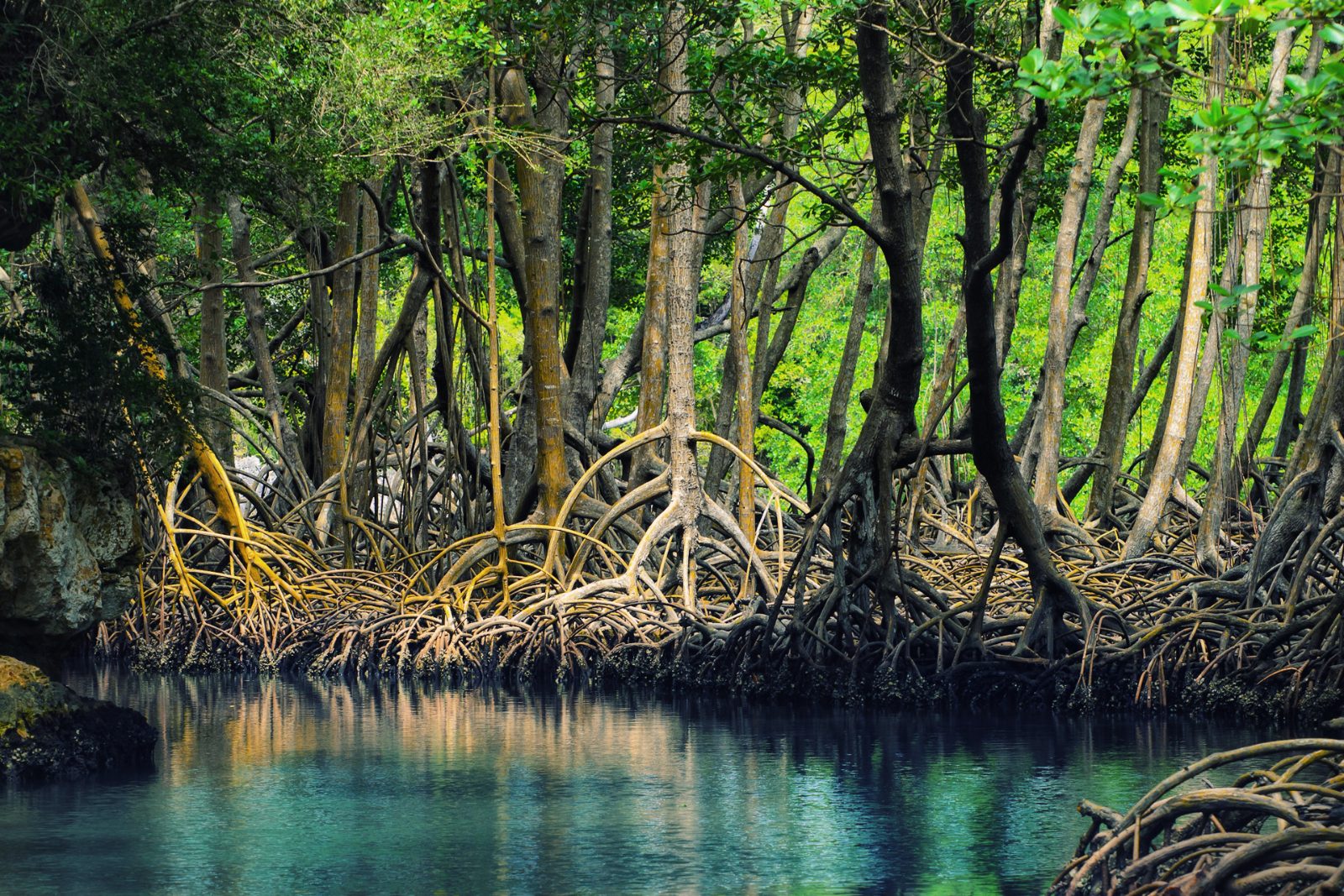
Position your camera low near the water line while traveling through these dense corridors to capture the reflection of overhanging branches. This perspective highlights the verticality of the vegetation against the dark water surface during a los haitises national park tour from punta cana.
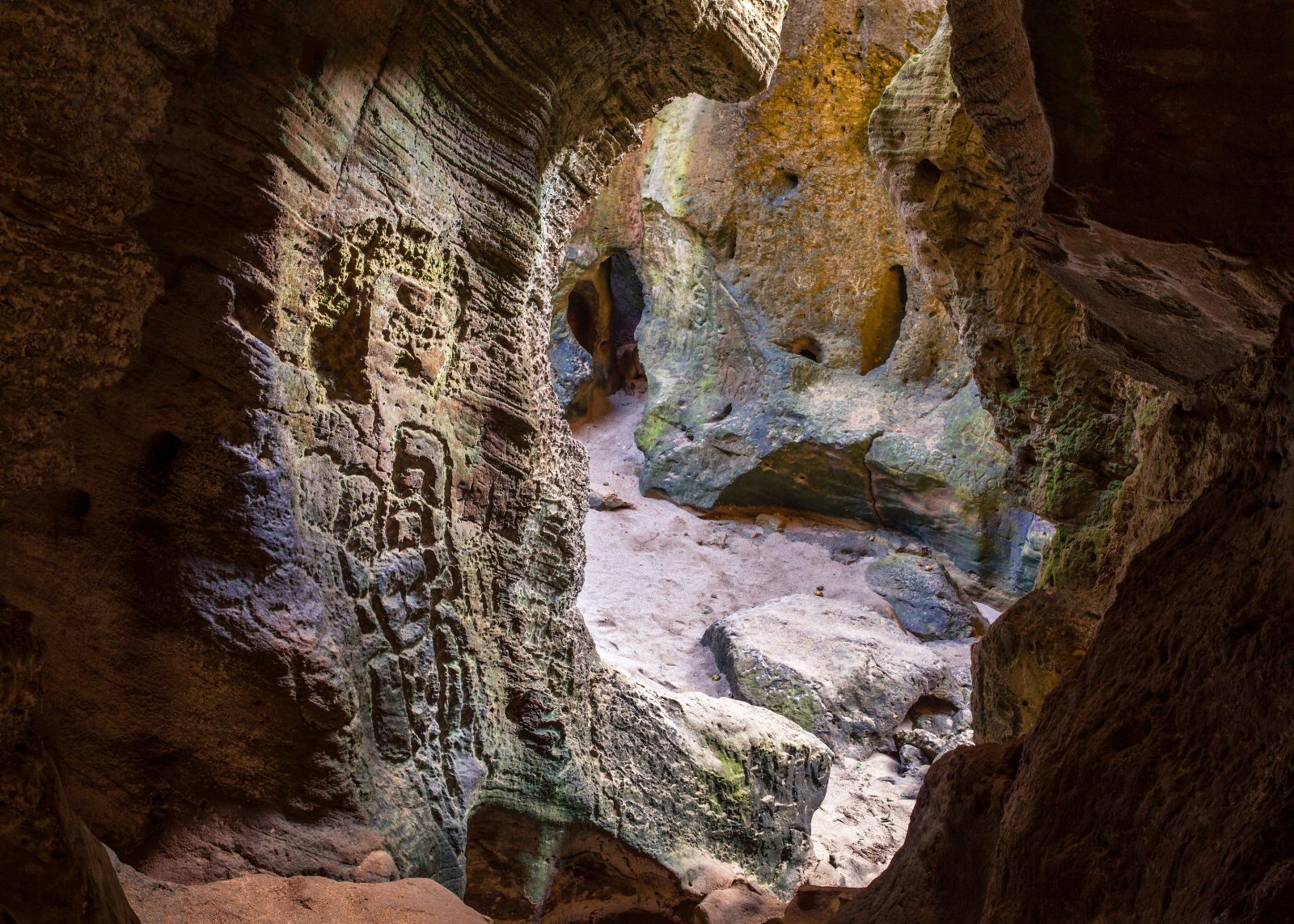
Focus your lens on the ancient petroglyphs and pictographs carved into the limestone walls near the entrance where soft ambient light filters in. This cave offers a glimpse into Taino heritage and is a central highlight for those booking los haitises national park tour from punta cana tickets.
Stand at the bow of the boat to photograph the iconic mogotes rising sharply from the sea. These limestone karst formations provide the most recognizable backdrop for your los haitises national park tour from punta cana tour.
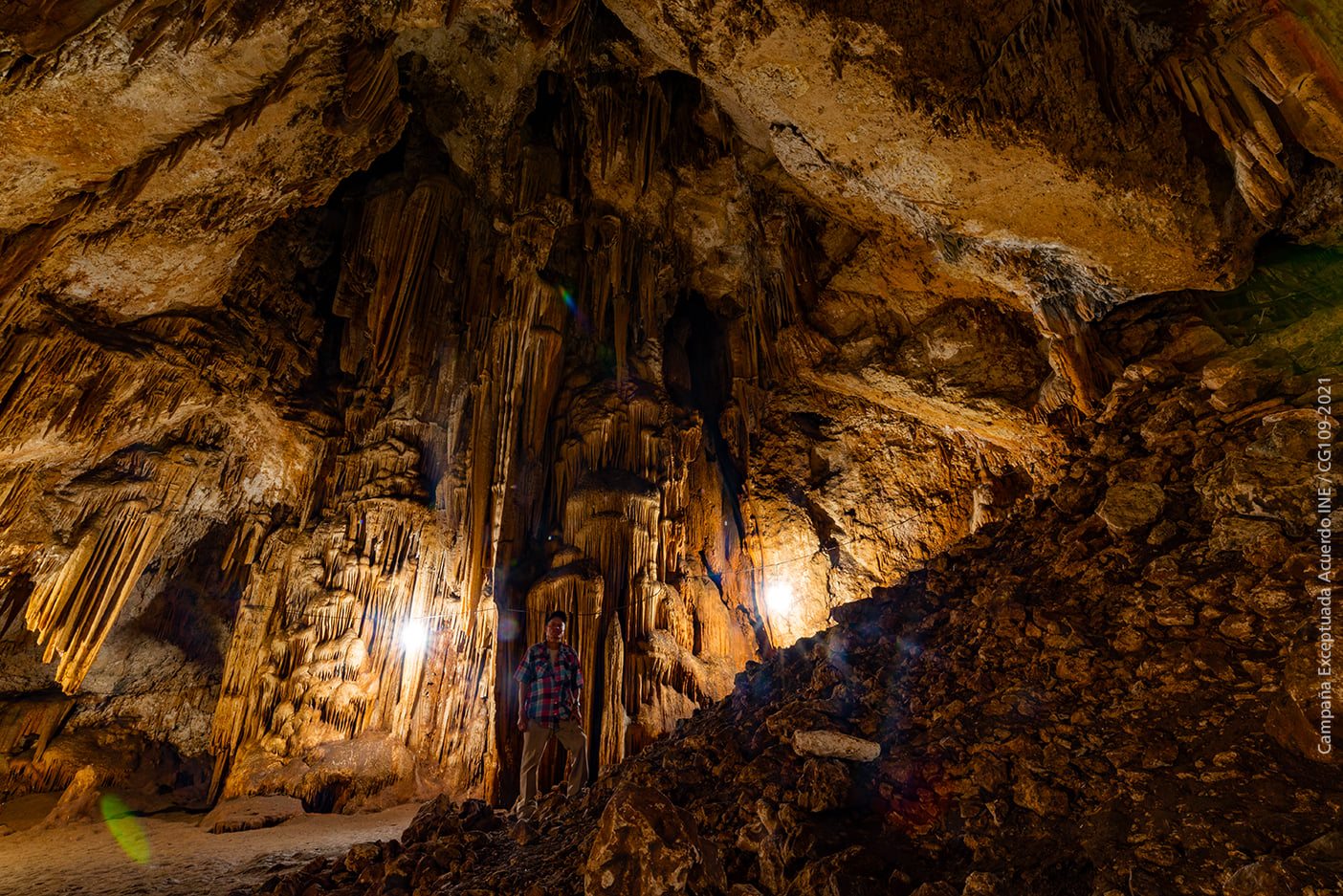
Capture the intricate rock formations and the contrast between the dark cavern interior and the bright exterior jungle. Authorized guides on various los haitises national park tour from punta cana tours can assist in finding the best angles for interior rock details.
Dining options are concentrated in the coastal town of Sabana de la Mar, where travelers on a los haitises national park tour from punta cana typically stop before or after their boat excursion. These local venues specialize in fresh seafood and traditional Dominican cuisine, providing a rustic setting for visitors securing their los haitises national park tour from punta cana tours.
Located near the port, this restaurant serves fresh catch-of-the-day fish and fried plantains. It is a common choice for groups seeking a hearty meal after purchasing their los haitises national park tour from punta cana tour.
This spot offers a view of the bay and focuses on authentic local dishes like mofongo and sancocho. It serves as a convenient refueling point for those holding los haitises national park tour from punta cana tickets.
Real experiences from real travelers
Our guide navigated the mangrove channels with expertise, pointing out juvenile herons nesting in the prop roots. The Taíno cave art in Cueva de la Línea was far more extensive than I anticipated. We spotted a Ridgway's hawk circling above the karst formations on our return journey. Worth every minute of the drive from Punta Cana.
The los haitises national park tour from punta cana revealed an ecosystem unlike anything else in the Caribbean. Limestone mogotes rise vertically from mangrove swamps creating a surreal landscape. Our boat captain cut the engine in a quiet channel so we could hear the forest—woodpeckers, parrots, and the rustle of land crabs in the leaf litter.
I chose this over beach resorts and have no regrets. The petroglyphs date back 1200 years and remain vivid on the cave walls. Our group was small, just six people, which made the experience feel intimate. The guide explained how mangroves protect coastlines during hurricane season.
Los Haitises National Park tours require patience—three hours each way from Punta Cana. The park itself is remarkable: dense mangrove forests, hidden caves, and abundant birdlife. We saw a brown pelican diving for fish near the boat. Bring motion sickness tablets if you're sensitive to small boats in choppy water.
The los haitises national park tour from punta cana takes you far from resort zones into genuine wilderness. Our guide identified a Hispaniolan woodpecker by its call before we saw the red crest. The scale of the mangrove forest is difficult to grasp until you're inside it, surrounded by roots and channels.
Ancient Taíno people left their mark throughout these caves, carving faces and ceremonial symbols into the limestone. The boat ride through narrow mangrove passages felt like exploring a hidden world. We encountered a local fisherman checking his traps, a reminder that this ecosystem still supports communities.
If you appreciate ecology, the los haitises national park tour from punta cana is essential. Mangrove roots filter saltwater, creating nursery habitats for juvenile fish and crustaceans. Our guide showed us a termite nest the size of a basketball attached to a trunk. The karst formations contain rare endemic ferns in their crevices.
We departed Sabana de la Mar early to avoid afternoon heat. The boat weaved through mangrove tunnels where roots formed natural archways overhead. Inside the caves, our guide used a flashlight to reveal petroglyphs that have survived centuries of humidity. A highlight was watching frigate birds soar above the bay.
Los Haitises remains one of the Caribbean's least developed national parks, which is its greatest asset. The mangrove channels teem with life—we spotted two species of crabs, a green heron, and countless fish in the shallows. The Taíno artwork in the caves connects you to the island's indigenous history.
The los haitises national park tour from punta cana showcases a side of the Dominican Republic most tourists never see. Karst topography creates dramatic vertical cliffs covered in bromeliads and orchids. Our guide explained how these limestone formations were once coral reefs millions of years ago, now uplifted and eroded into their current shapes.
Everything you need to know for your journey
Yes, bookings are required as these excursions are specialized.
No, the park requires advance tour arrangements; there is 0 USD entrance fee at the gate as private boat tours handle entry logistics.
We recommend an arrival between 09:00–11:00 for the best experience.
Yes, a licensed park guide is mandatory for all access to Los Haitises National Park.
Bring sun protection, insect repellent, and waterproof gear for your day in the park.
Yes, families are welcome, provided children are comfortable with boat travel.
No, flash is prohibited to protect ancient cave art.
Most full-day excursion packages from Punta Cana include a lunch buffet.
Yes, if you visit between January and March, you can often combine these activities.
Yes, the mandatory conservation fees are typically covered by your tour operator.
Join thousands of happy travelers who have discovered this incredible experience
Book Your Experience Now